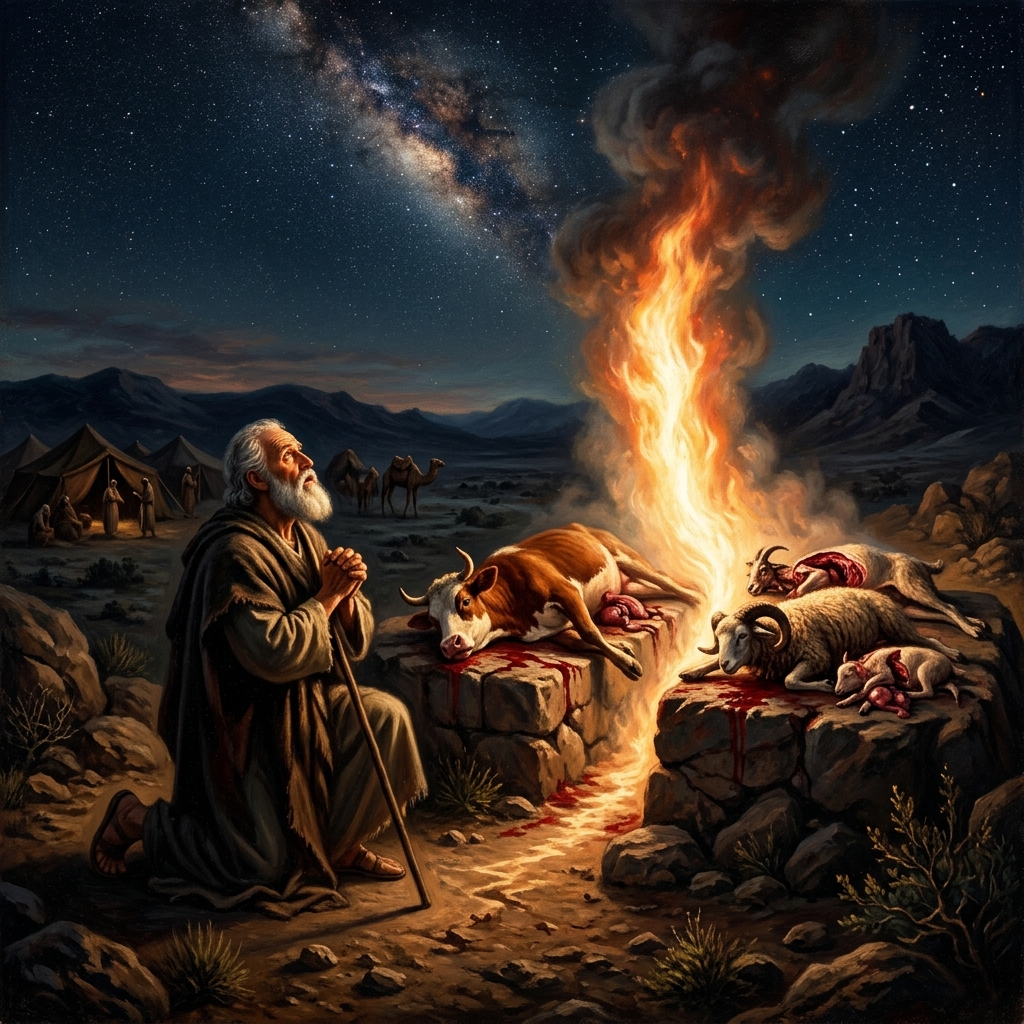
From Genesis to Revelation, the concept of a covenant (*berit* in Hebrew) forms the foundational backbone of the biblical narrative. Modern readers often confuse a covenant with a contract. However, in the ancient Near East, a contract was a temporary business agreement involving goods and services, whereas a covenant was a solemn, life-or-death relationship binding two parties together in familial loyalty.
Understanding how ancient Near Eastern nations—such as the Hittites and Assyrians—formulated royal treaties illuminates why God used this specific human format to reveal His redemptive promises to Israel.
The Anatomy of a Suzerain-Vassal Treaty
In the ancient Near East, political treaties fell into two categories: **Parity Treaties** (agreements between equals) and **Suzerain-Vassal Treaties** (agreements between a powerful emperor/king called a Suzerain and a weaker subject nation called a Vassal).
Archaeologists studying Hittite treaties from the 14th century BC discovered a standardized six-part structure that mirrors the Book of Deuteronomy and the Mosaic Covenant:
- Preamble: Identifying the Great King/Suzerain ("I am the LORD your God...").
- Historical Prologue: Recounting what the Suzerain had done for the Vassal ("...who brought you out of Egypt, out of the land of slavery").
- Stipulations: The laws and obligations required of the Vassal (The Ten Commandments).
- Document Deposit and Reading: Storing the treaty in the sacred temple and reading it publicly periodically (placing the tablets in the Ark of the Covenant).
- Witnesses: Calling upon heaven and earth as witnesses to the treaty.
- Blessings and Curses: Outlining consequences for obedience (fertility, peace) or disobedience (exile, defeat).
"Cutting" a Covenant: Genesis 15
In ancient Hebrew, one did not simply "make" a covenant; one "cut" a covenant (*karat berit*). This terminology stems from the sacrificial ritual used to ratify the agreement. Animals were slaughtered, cut in half, and laid in two parallel rows. The covenanting parties then walked between the severed pieces together, declaring a solemn curse upon themselves: "May I be cut in pieces like these animals if I break this covenant!"
This historical context makes Genesis 15 one of the most astonishing passages in scripture. God commanded Abraham to cut sacrificial animals in half. As darkness fell, a smoking firepot and a flaming torch representing God passed between the severed pieces alone, while Abraham slept.
By walking between the pieces unilaterally, God bound Himself to the covenant unconditionally. God was declaring: "If this covenant is broken—even by your failure—I will take the curse upon Myself and be broken for you."
The New Covenant in Christ's Blood
This ancient imagery reaches its ultimate fulfillment at the Last Supper and the cross. When Jesus took the cup, he declared, "This cup is the new covenant in my blood, which is poured out for you" (Luke 22:20).
On the cross, Jesus—the divine Suzerain—took the severe curse of the broken covenant upon Himself. Through His sacrifice, believers are brought into an eternal, unbreakable covenant relationship with God grounded not on human perfection, but on divine grace.