If you sit in a modern evangelical church for long enough, you will hear the word "redemption" used as a generic synonym for personal improvement or overcoming a bad habit. We have domesticated one of the most brutal and beautiful legal concepts in the ancient world into a self-help metaphor.
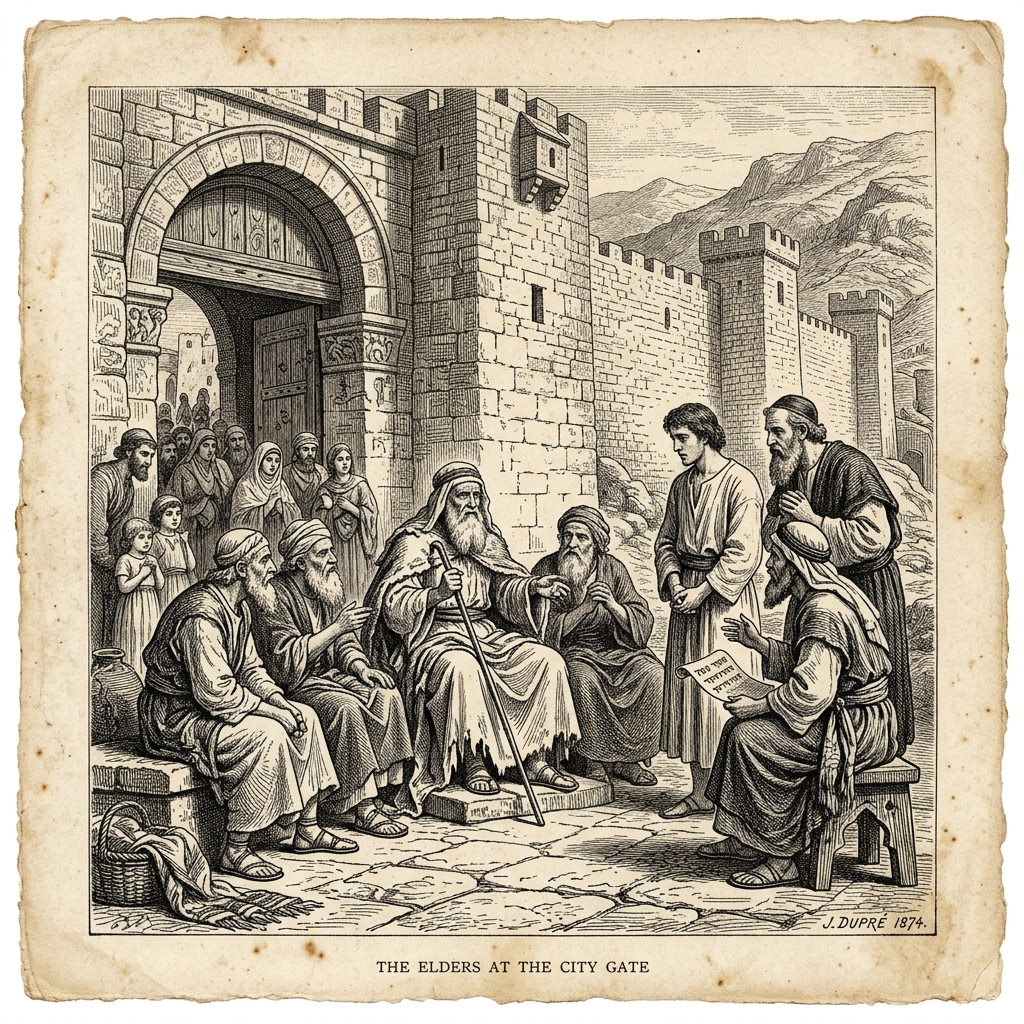
When the biblical authors called God a **Redeemer**, they were invoking the specific, legal role of the *go'el*. In ancient Israel, there was no social safety net. If a family fell into extreme poverty, their only option was to sell their ancestral land, and eventually, sell themselves into debt slavery. The *go'el* was the closest wealthy kinsman who had the legal right and moral obligation to step in. He would pay the debt, buy back the land, and literally purchase his family member's freedom. We see this play out historically in the book of Ruth, where Boaz acts as the *go'el* to rescue Naomi and Ruth from starvation.
When the New Testament applies this term to Christ, it is not a suggestion that Jesus helps us become better versions of ourselves. It is a stark legal declaration of our total bankruptcy. Humanity had sold itself into the slavery of sin, utterly incapable of buying its own freedom. Christ did not offer us a loan; He stepped into the human family line through the Incarnation to become our Kinsman-Redeemer. As Augustine noted, "He made our offenses His own, that He might make His righteousness ours." By paying the ultimate price with His own blood, He legally purchased us off the auction block of sin and restored our inheritance.