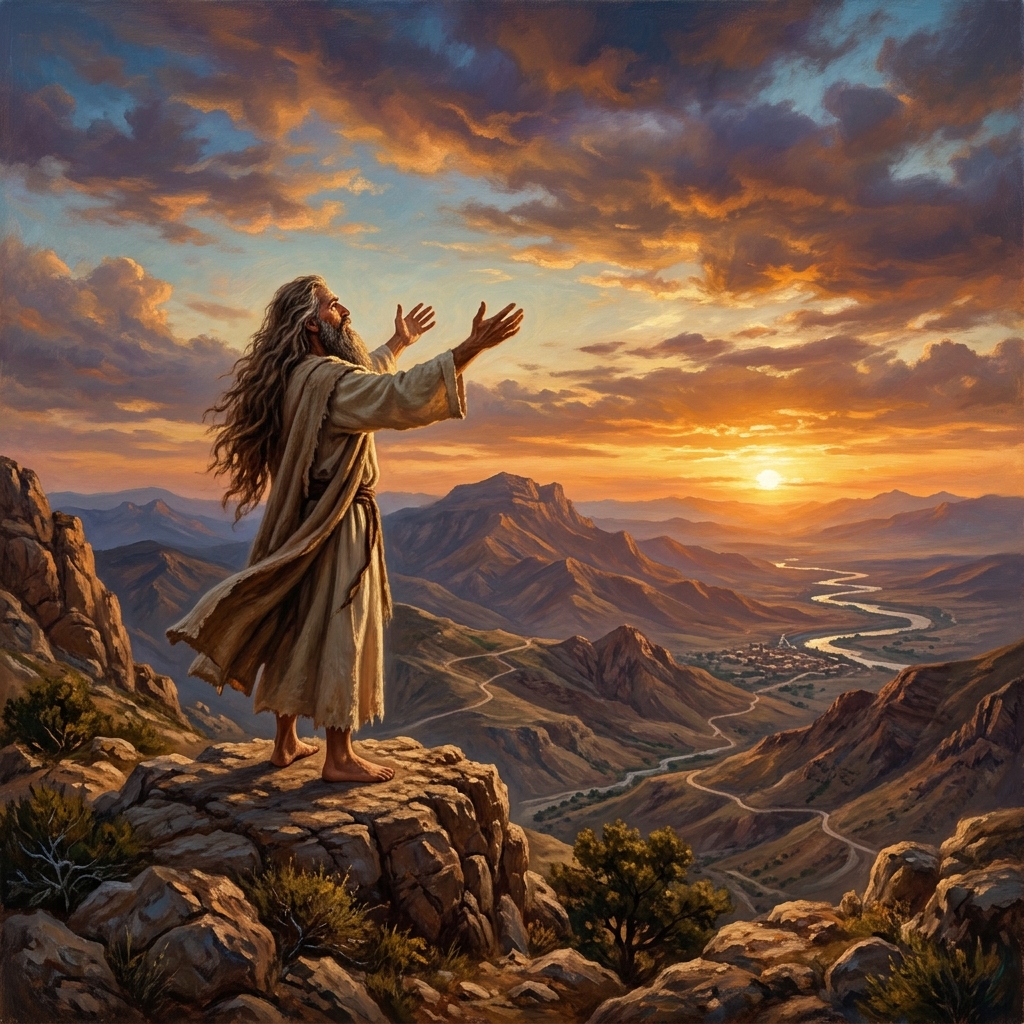
Who Were the Nazarites? The Biblical Vow of Extraordinary Consecration
What was the Nazarite vow in the Bible? Discover the strict laws of Numbers 6, the life of Samson and John the Baptist, and the difference between a Nazarite and a Nazarene.
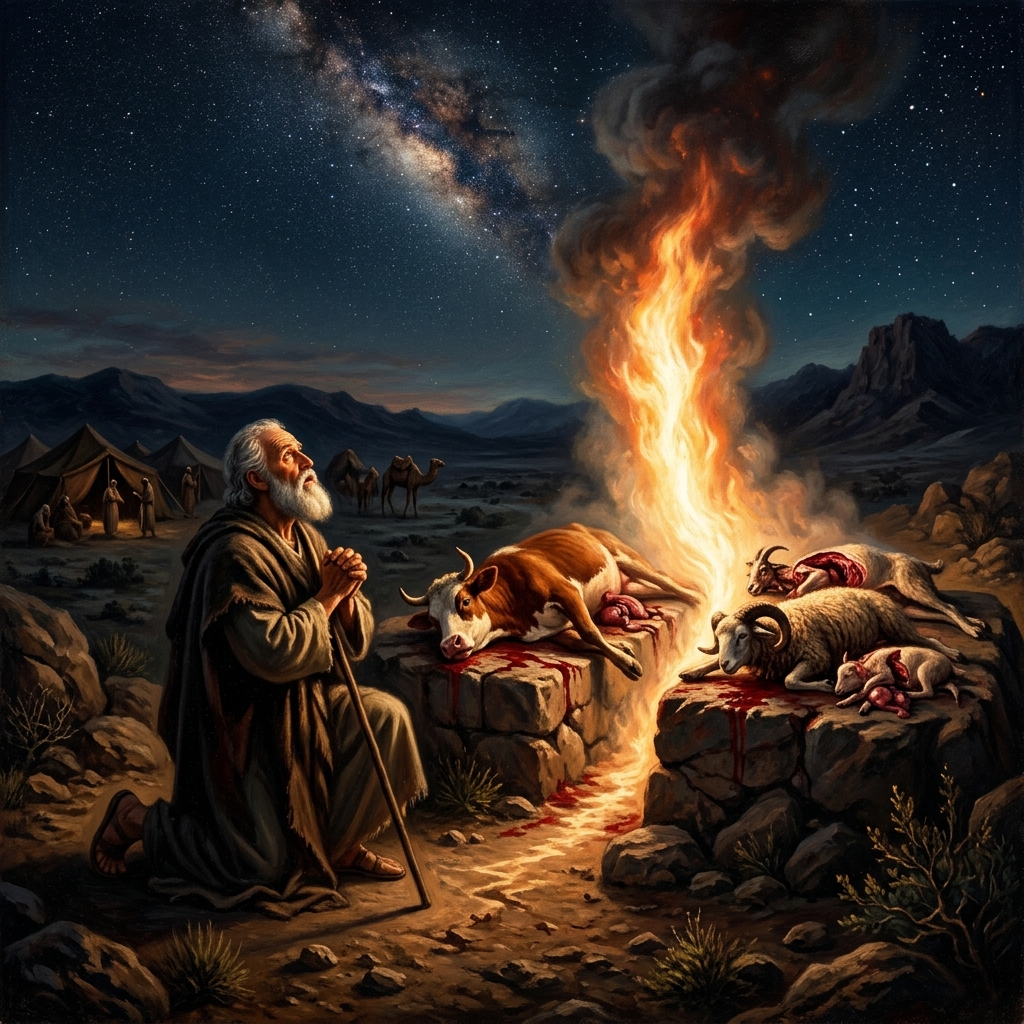
Ancient Near Eastern Covenants: How God Used Human Treaties to Reveal Grace
Covenants are the binding thread of the entire Bible. Discover how ancient Near Eastern Suzerain-Vassal treaties illuminate God's covenants with Abraham, Moses, and David.
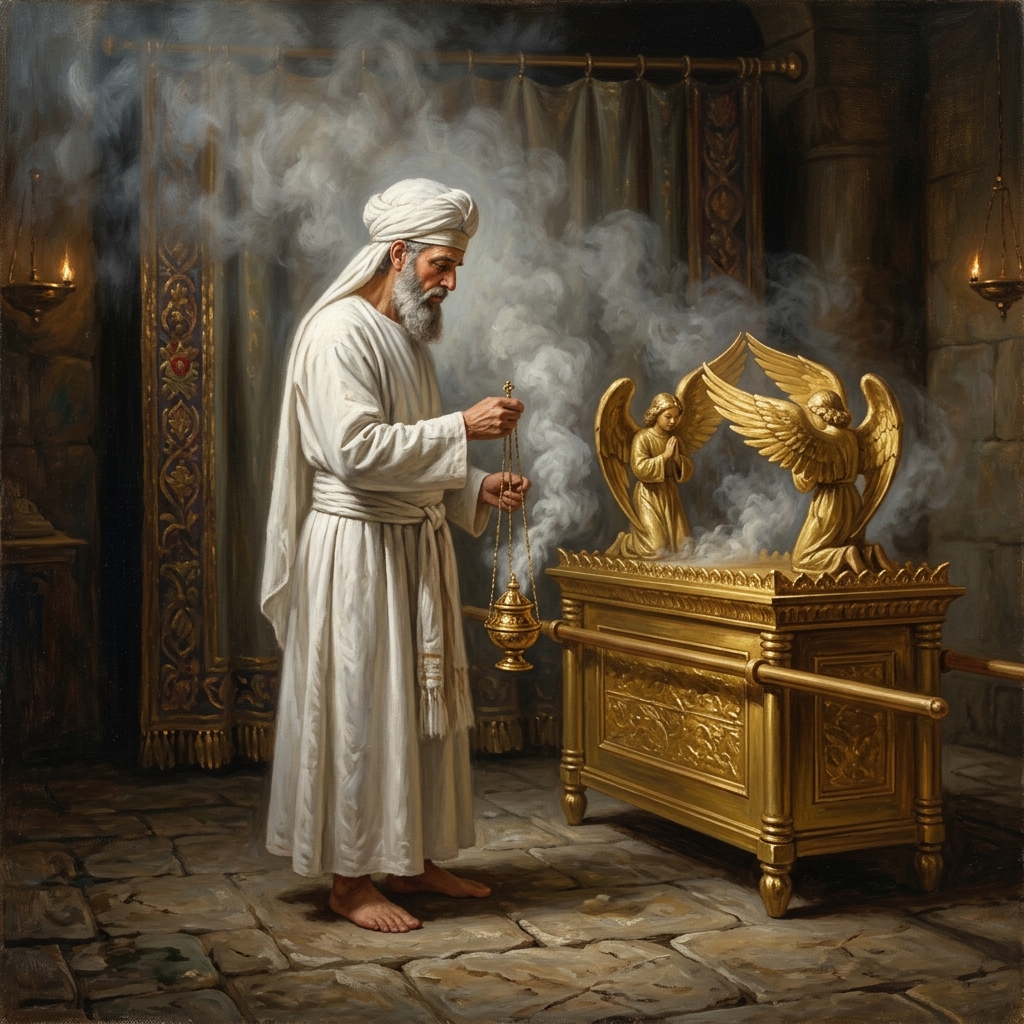
What Was the Day of Atonement (Yom Kippur) in the Bible?
The Day of Atonement was the most solemn, holy day on the ancient Hebrew calendar. Discover the rituals of Leviticus 16, the mystery of the scapegoat, and its fulfillment in the New Testament.
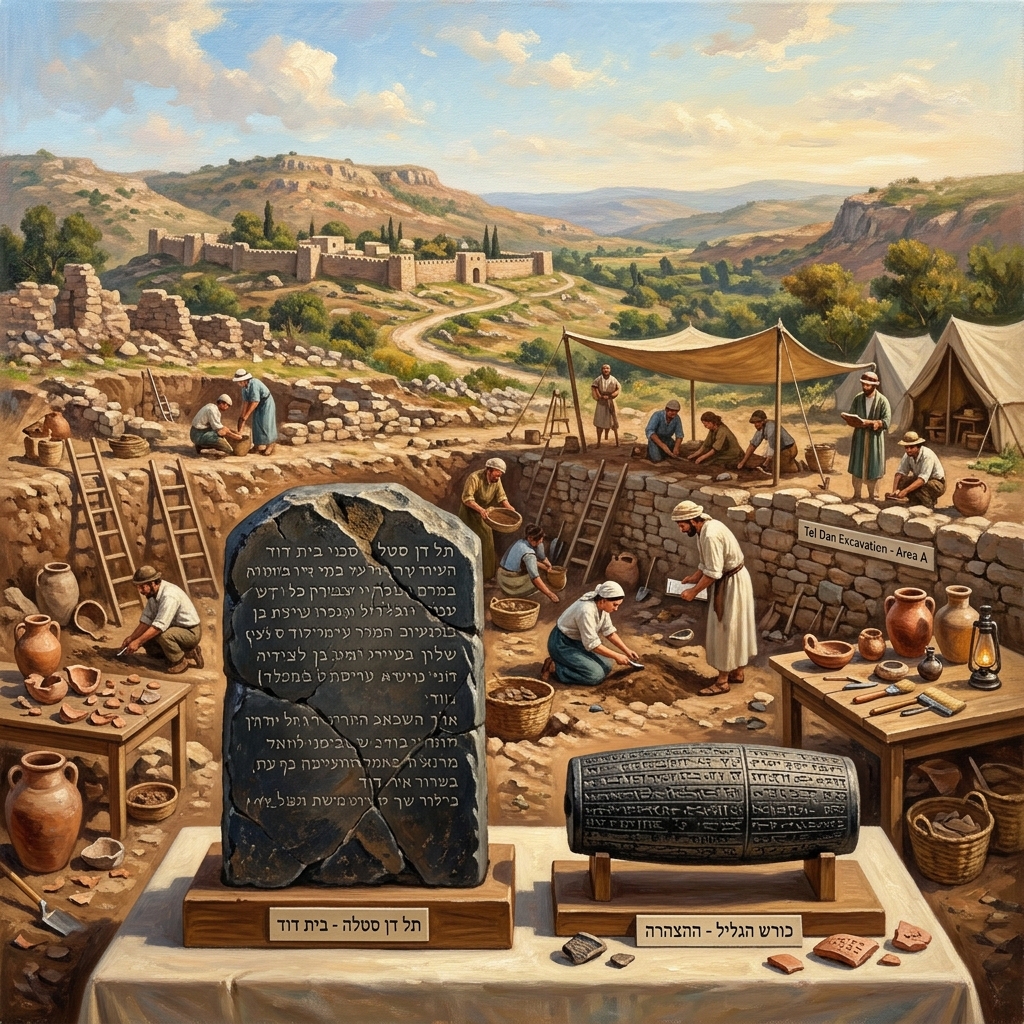
Top 7 Archaeological Discoveries Confirming Biblical History
Is the Bible historically reliable? Explore 7 landmark archaeological discoveries—from the Tel Dan Stele to the Pilate Inscription—that confirmed biblical kings, places, and events in real stone.
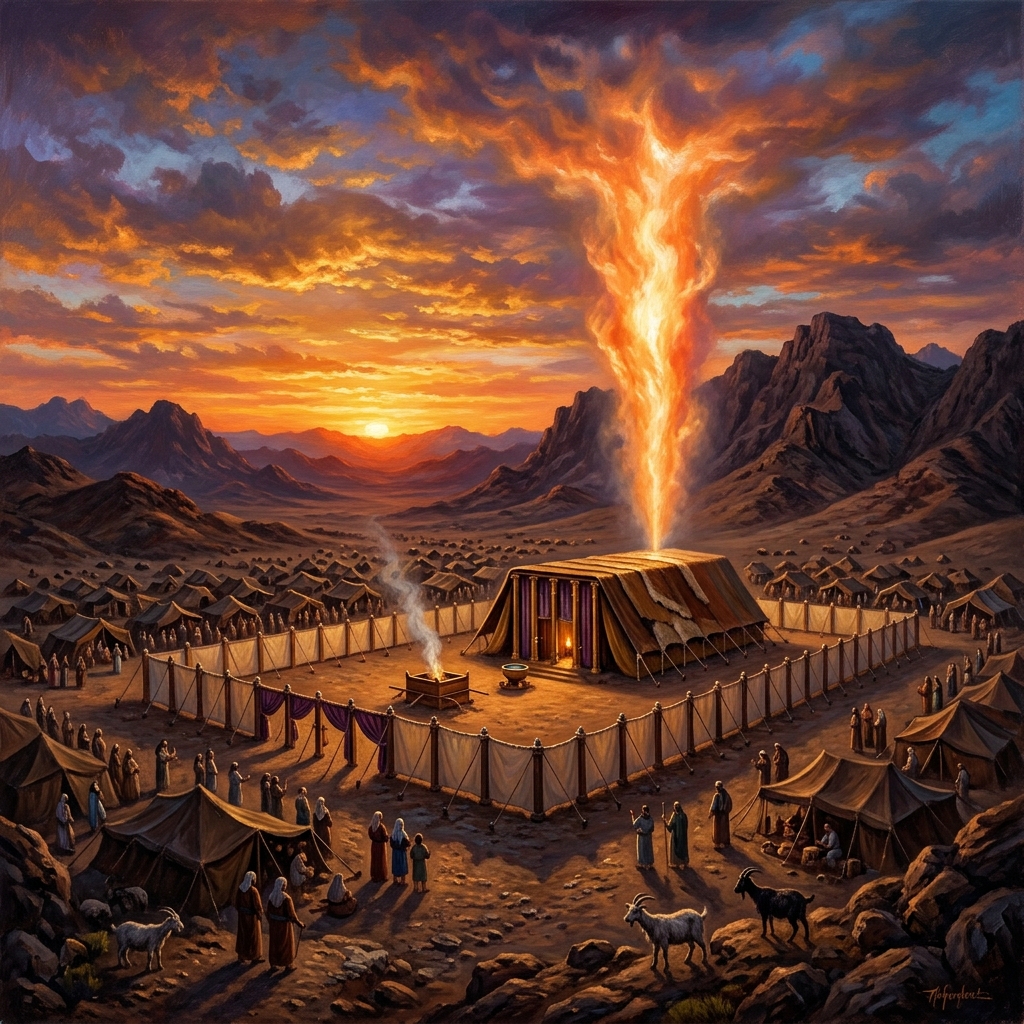
What Was the Tabernacle in the Wilderness? God's Portable Dwelling Place
Before Solomon built the Temple in Jerusalem, God commanded Israel to construct a portable sanctuary in the desert. Discover the layout, furniture, and profound symbolism of the wilderness Tabernacle.
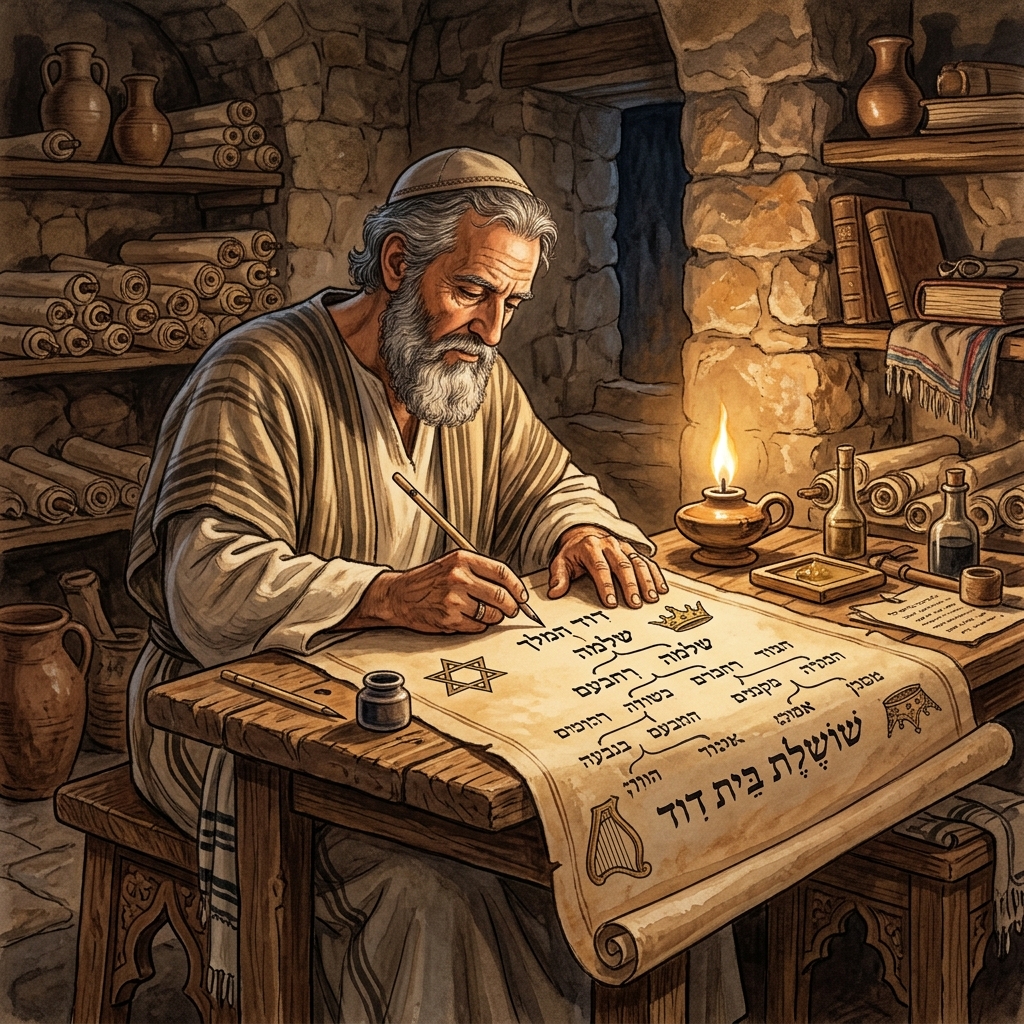
Understanding Ancient Hebrew Genealogies: Why Biblical Family Trees Matter
Modern readers often skip the long lists of names in the Bible. However, to ancient Israelites, genealogies were vital legal documents establishing land rights, tribal identity, and messianic credentials.
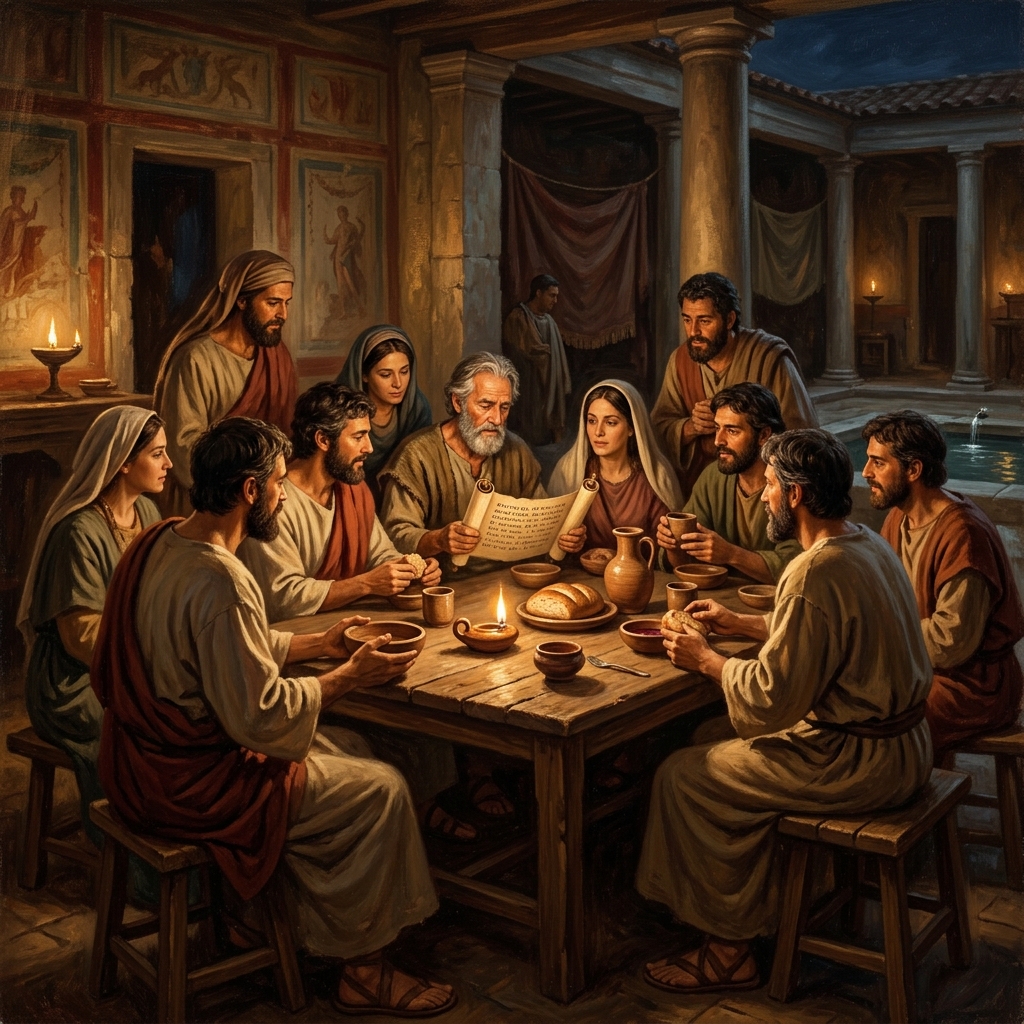
House Churches in the Early Church: How First-Century Christians Worshipped
For nearly 300 years, early Christians did not construct church buildings. Instead, the explosive growth of the early church occurred inside private homes. Discover how house churches functioned.
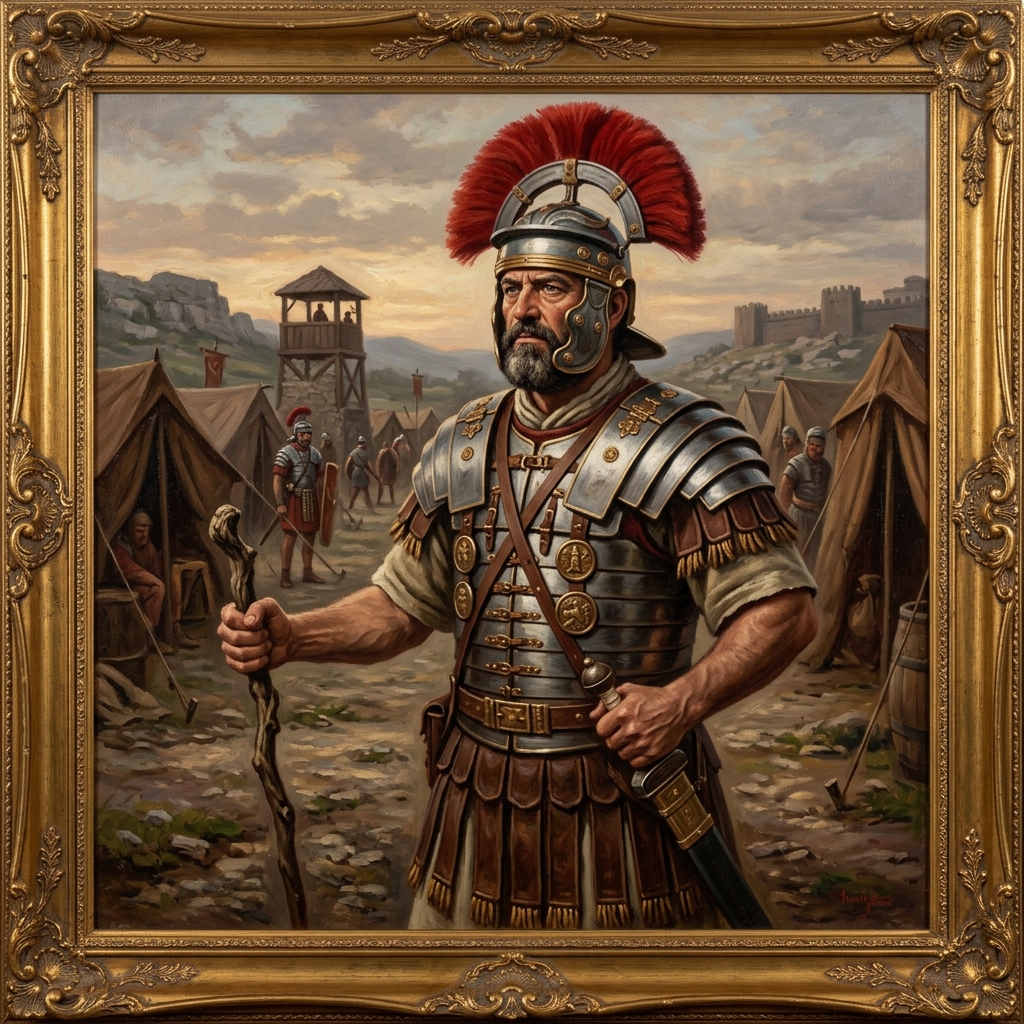
What Was a Centurion in the Roman Army? The Backbone of Imperial Power
Centurions were the hardened tactical commanders of the Roman military machine. Remarkably, throughout the Gospels and Acts, Roman centurions are portrayed with astonishing respect and faith.
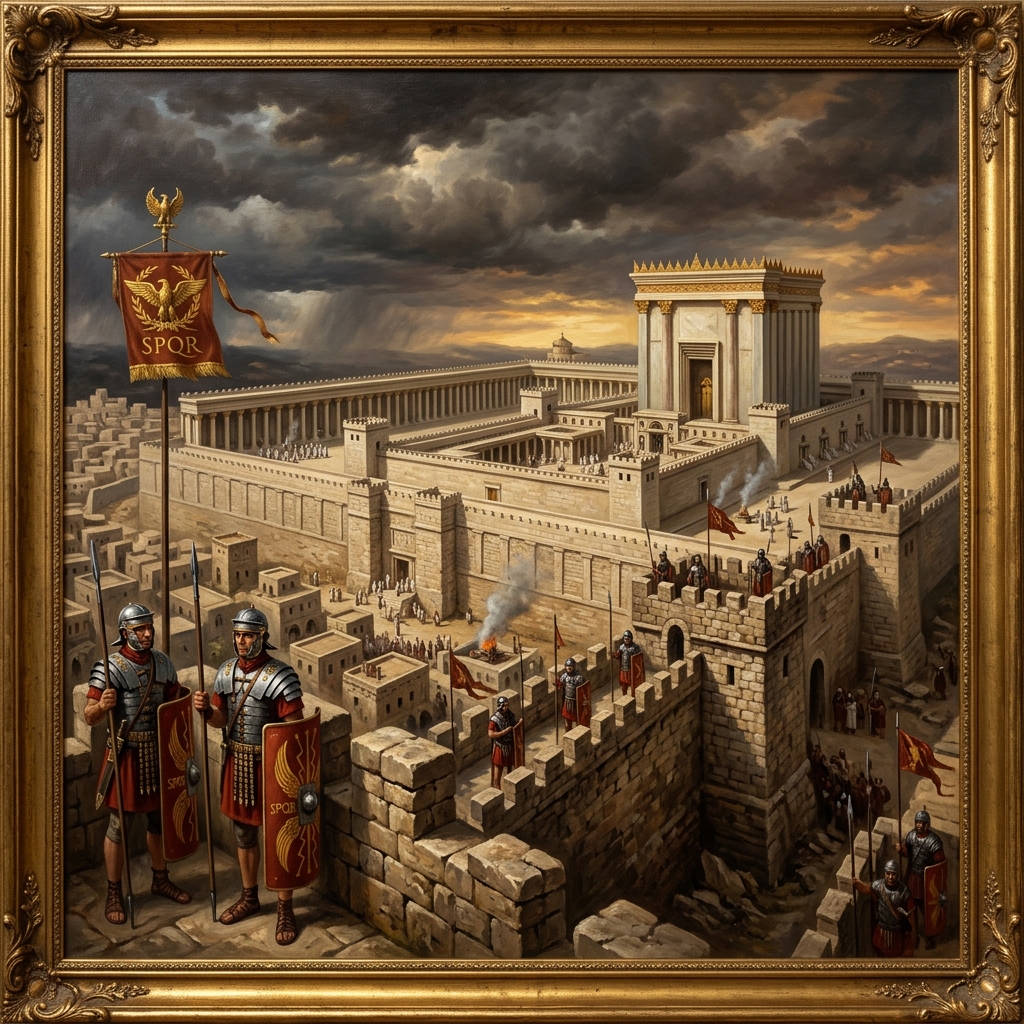
Unraveling the Herodian Dynasty: Who Was Who in the New Testament?
Multiple rulers named 'Herod' appear throughout the Gospels and Acts. From Herod the Great's architectural marvels to Herod Antipas executing John the Baptist, unravelling the Herodian dynasty clarifies the political world of the New Testament.
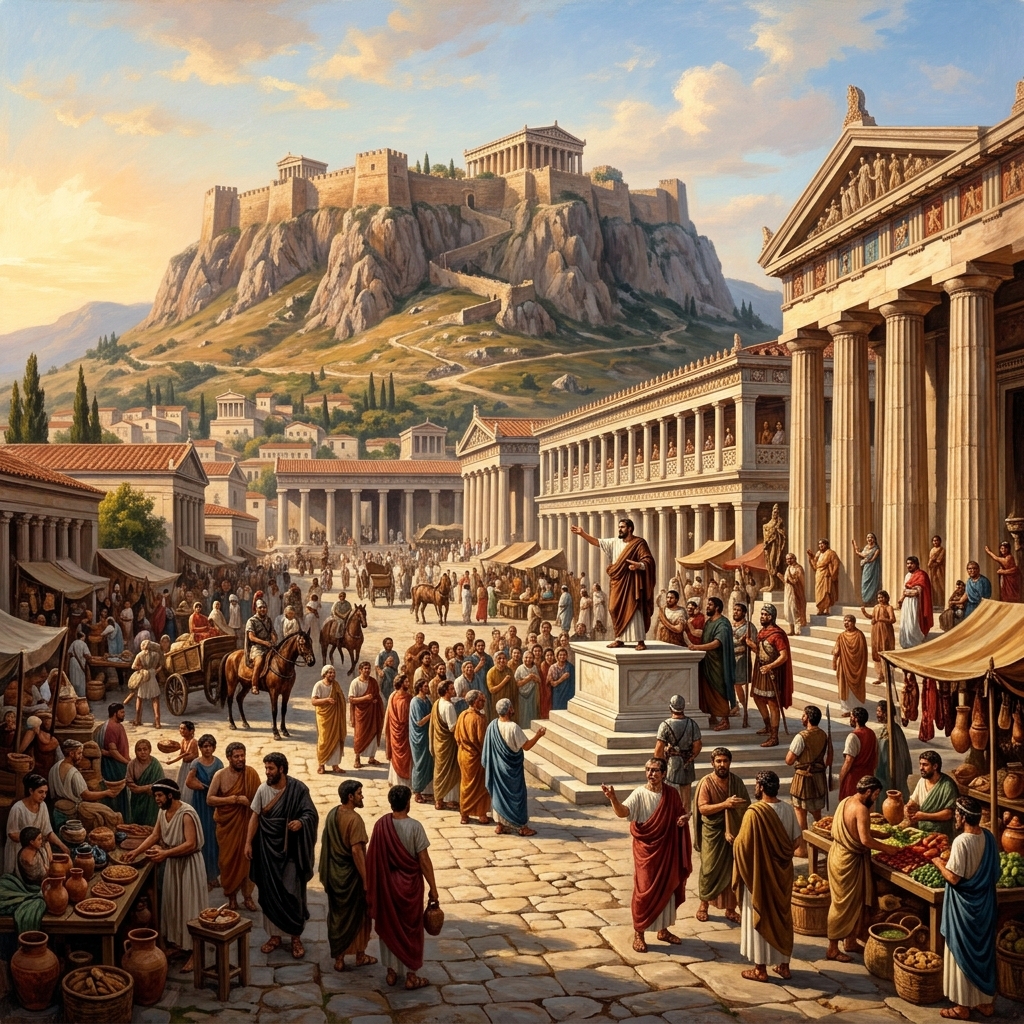
Life in Ancient Corinth: Culture, Commerce, and the Background of Paul's Letters
Ancient Corinth was the Sin City of the Mediterranean—a booming commercial metropolis obsessed with athletic glory, philosophical debate, and pagan worship. Understanding its culture illuminates 1 & 2 Corinthians.
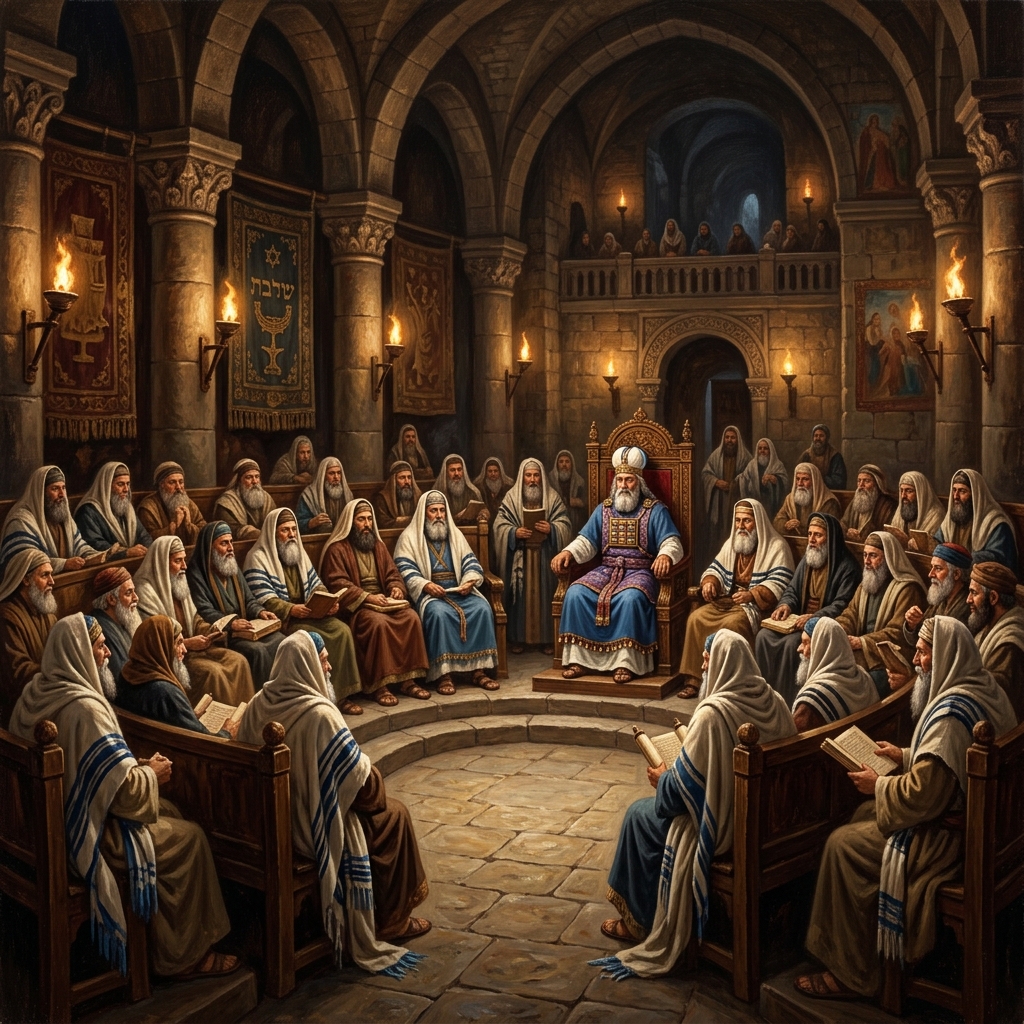
What Was the Sanhedrin in the Bible? The Supreme Court of First-Century Judea
Operating from the Temple mount in Jerusalem, the Sanhedrin was the highest religious, judicial, and political tribunal in Judea. Understanding its structure unlocks the legal drama of Jesus' trial and the early persecution of the apostles.
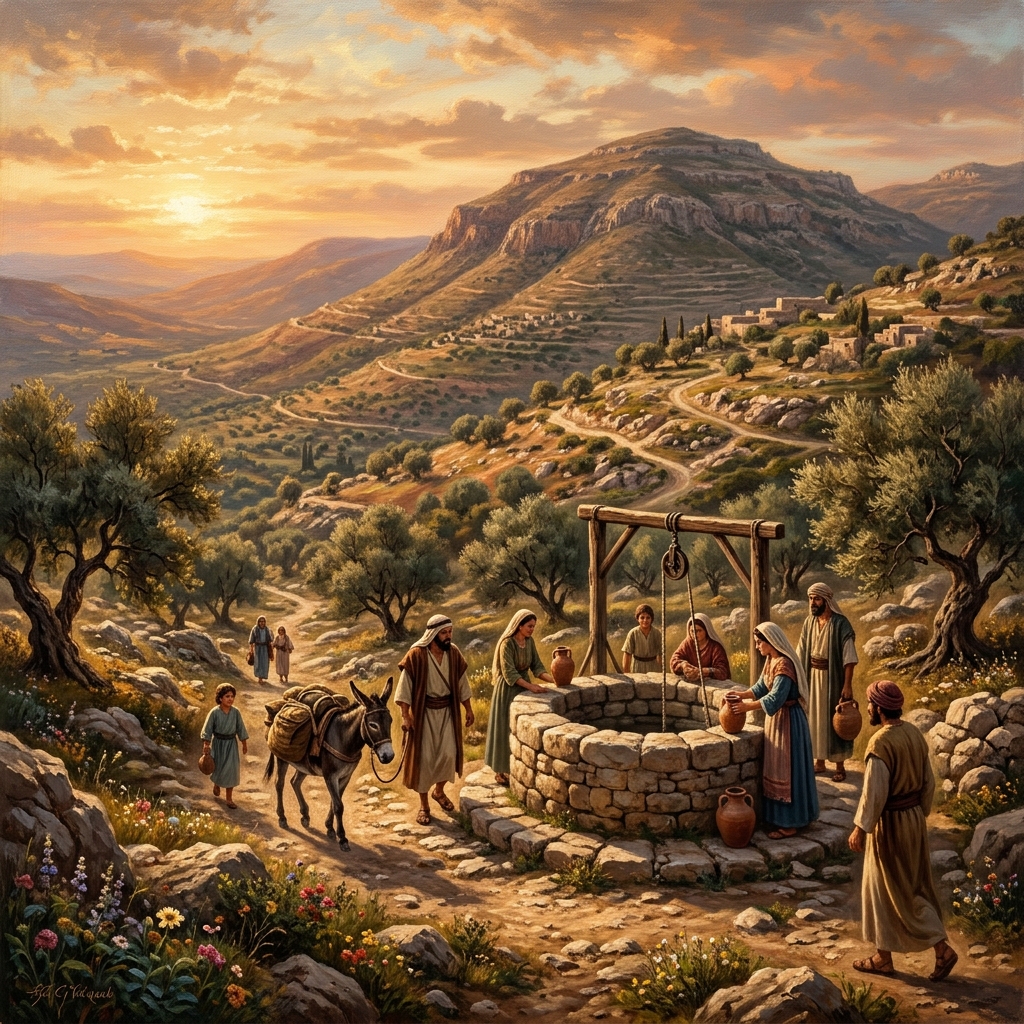
Who Were the Samaritans in the Bible? The 700-Year Feud Behind the Parable
To first-century Jews, 'Samaritan' was an insult. Understanding the 700-year history of hostility between Jews and Samaritans reveals why Jesus' parable of the Good Samaritan was so deeply shocking to his original audience.

From Scroll to Codex: The Transmission and Preservation of the Ancient Texts
How did the Bible survive the ancient world? The transmission of scripture from heavy animal-skin scrolls to the revolutionary Christian codex is a story of obsessive scribal accuracy and groundbreaking technology.
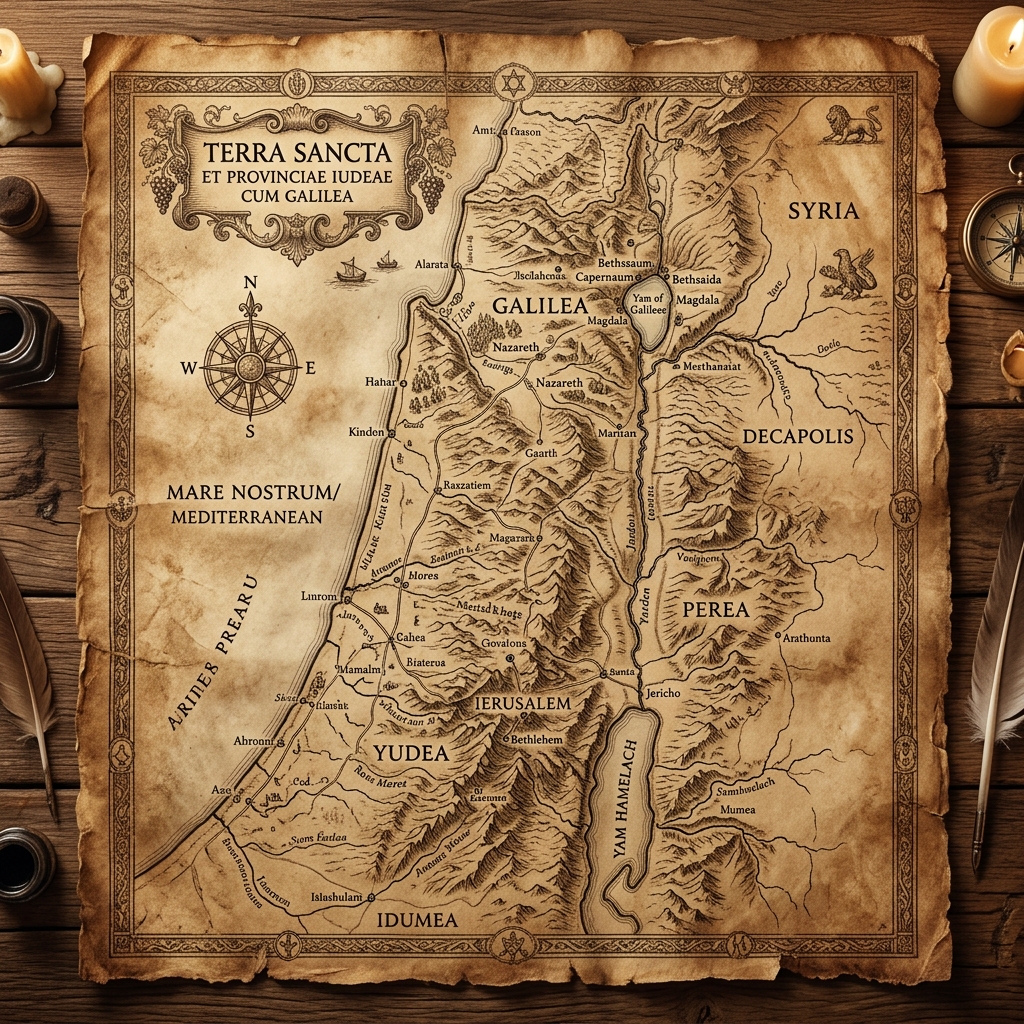
The Geography of the Gospels: How the Ancient Landscape Shaped Christ's Ministry
In the ancient world, geography was destiny. Understanding the physical terrain of first-century Israel—from the rustic hills of Galilee to the religious epicenter of Judea—unlocks entirely new dimensions of Jesus' teaching.
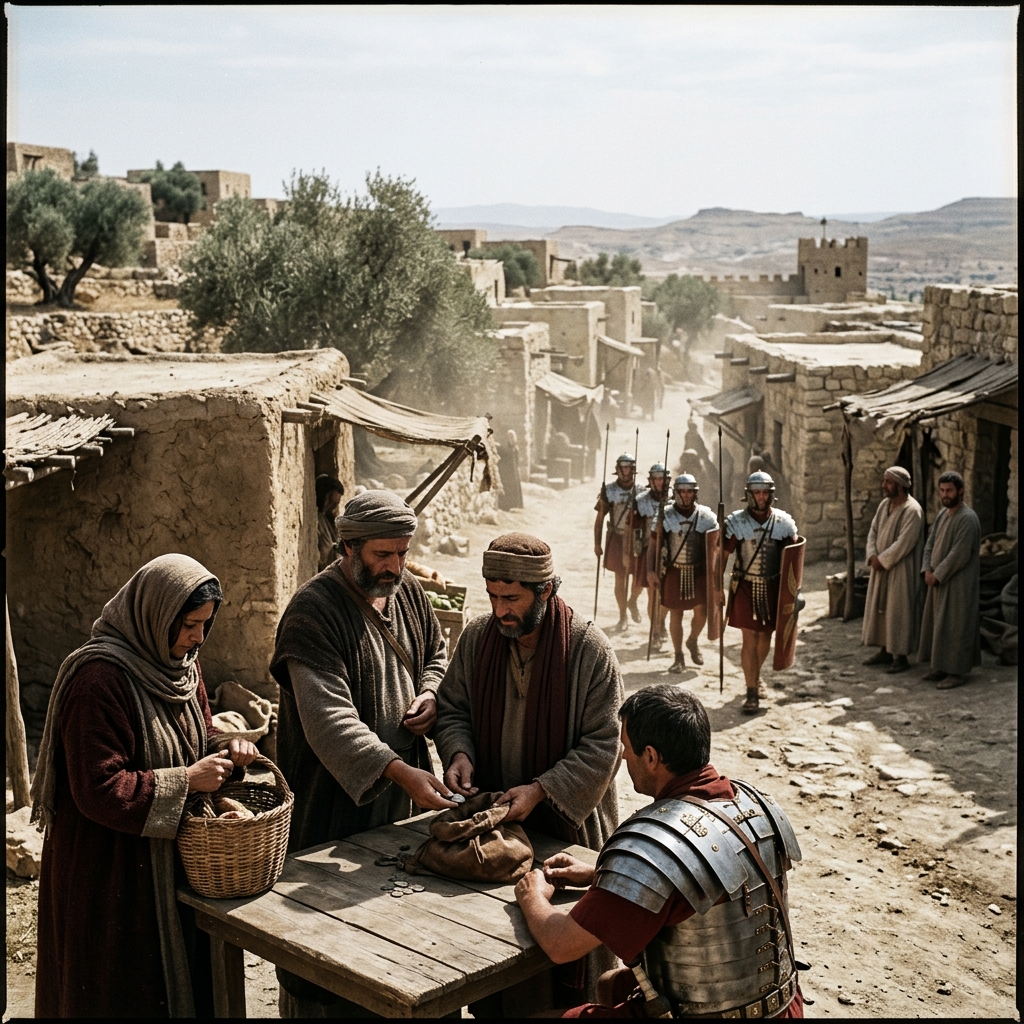
Daily Life Under the Roman Eagle: Culture, Economics, and the Pax Romana
To read the New Testament accurately, we must step out of our modern, sanitized worldview and into the gritty, dirt-under-the-fingernails reality of a heavily taxed agrarian society occupied by the Roman military machine.
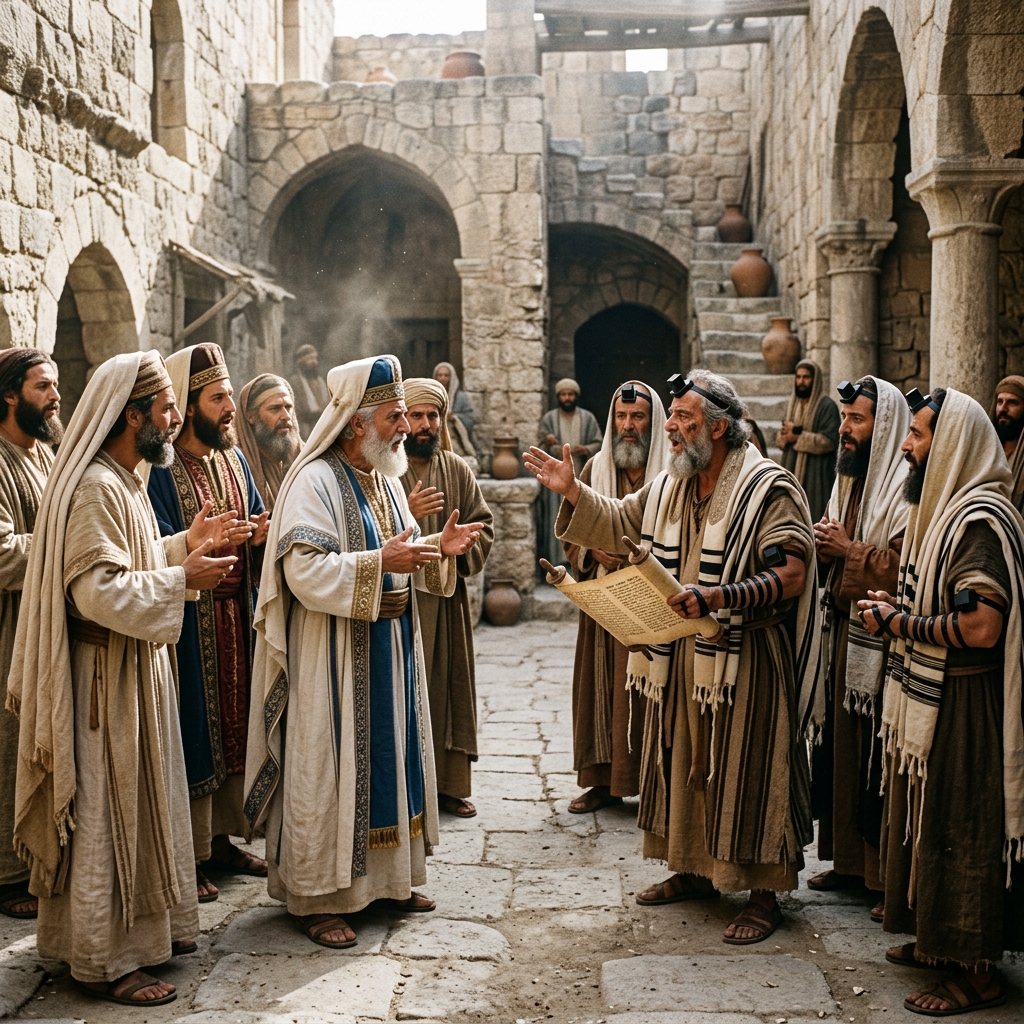
The Factions of First-Century Judea: Pharisees, Sadducees, Essenes, and Zealots
First-century Judea was not a monolith. It was a volatile political powder keg fiercely divided by four major religious factions, each with entirely different visions for how to save Israel from Rome.
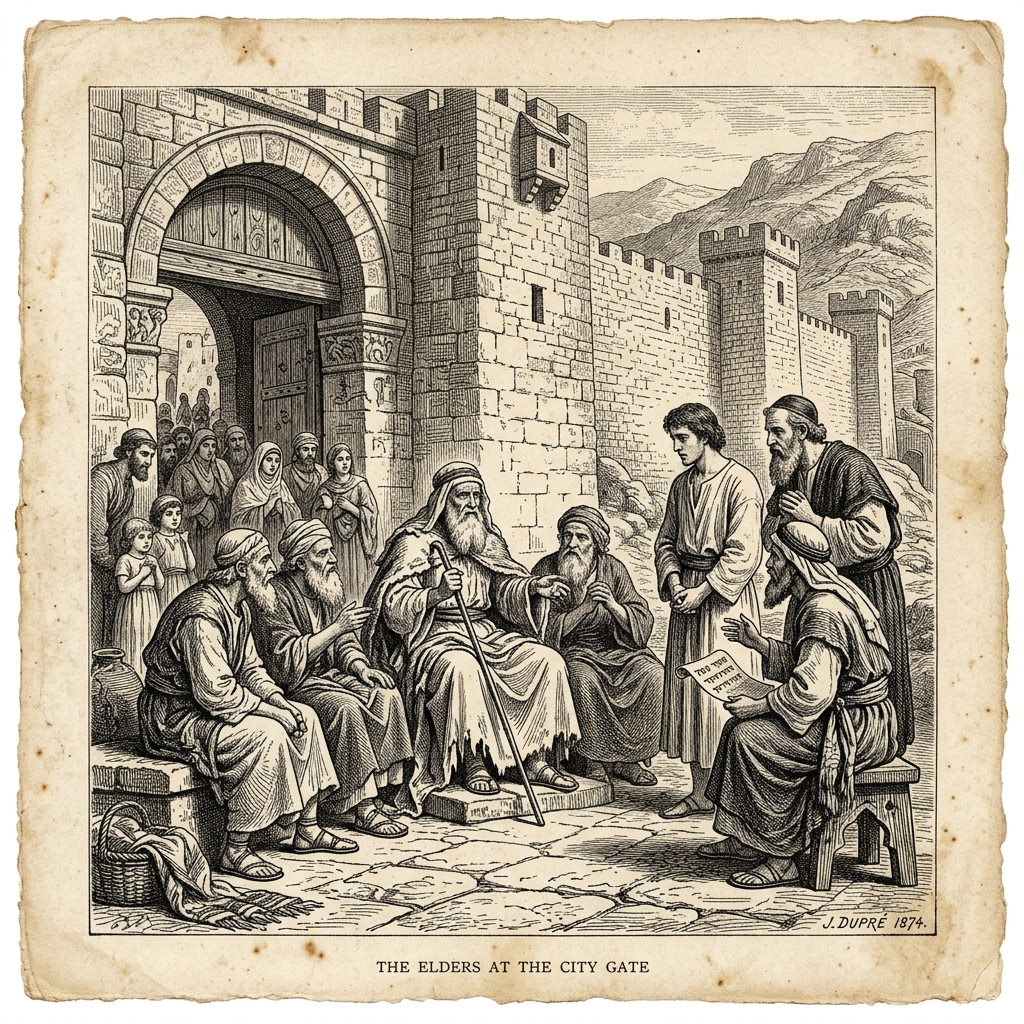
The Go'el: Why Redemption is More Than a Metaphor
The modern church has domesticated the concept of Redemption into a self-help metaphor. Here is the brutal legal reality it actually demanded.
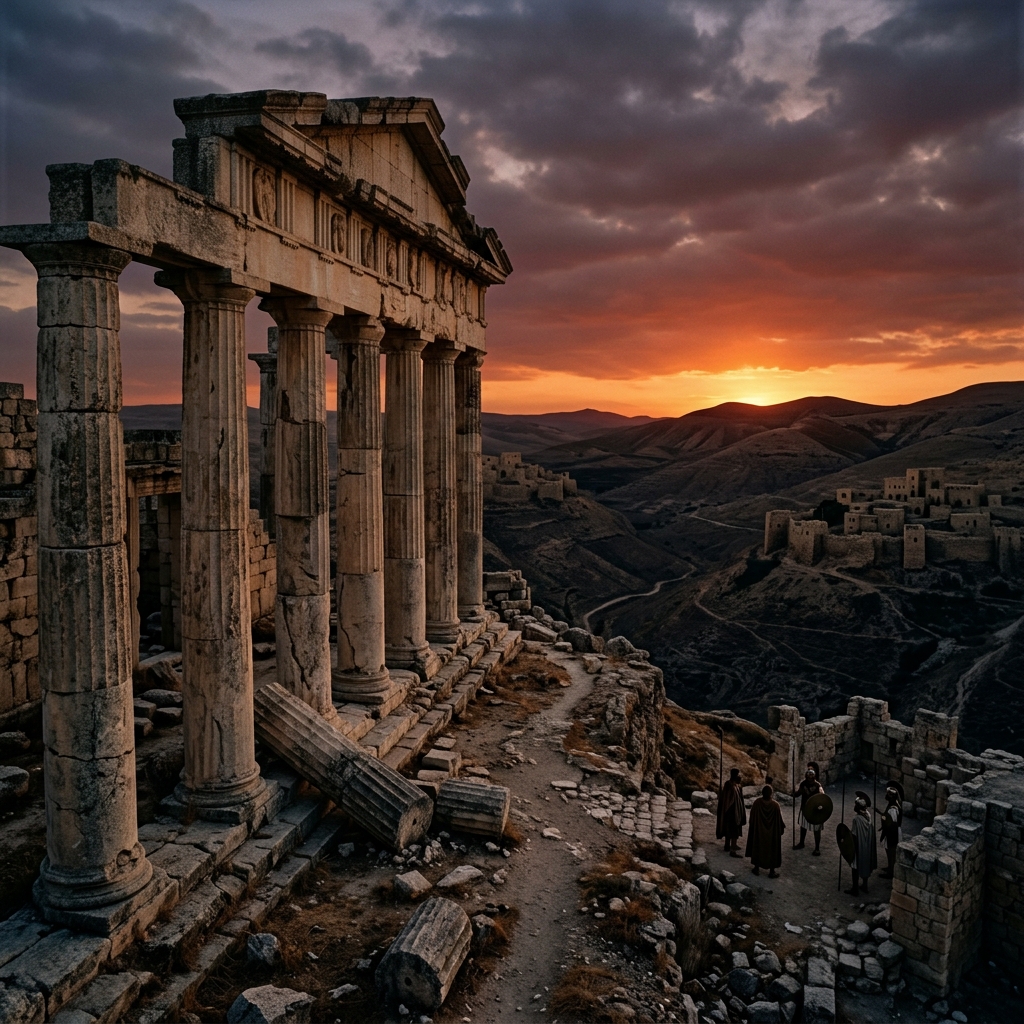
The 'Silent Years' Weren't Silent: How the Intertestamental Period Shaped the New Testament
Between the final prophecies of Malachi and the opening pages of Matthew, 400 years passed. These 'silent years' were actually an era of massive geopolitical upheaval that set the exact stage for the arrival of the Messiah.
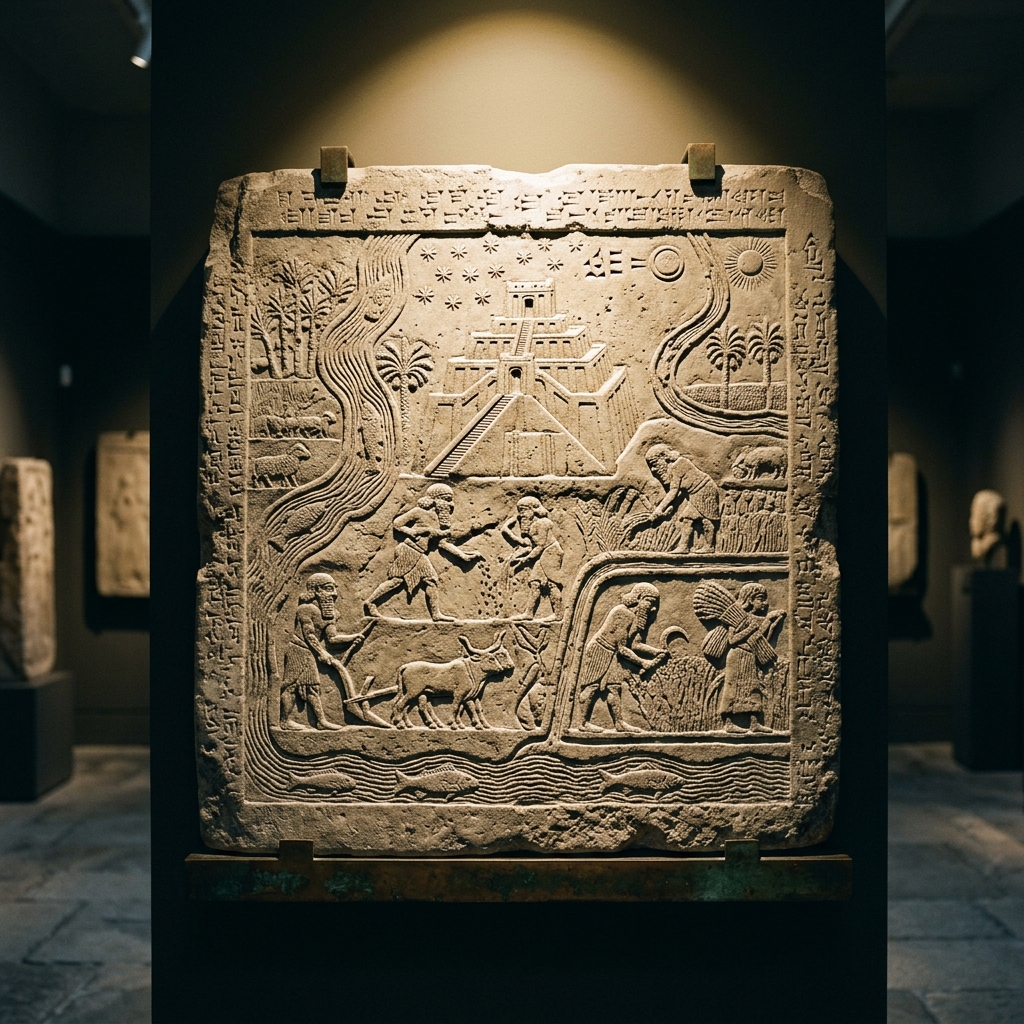
Leaving Mesopotamia: The Radical Geography of Faith
Abraham's departure from the technological superpower of the ancient world established a pattern that challenges our modern obsession with security.
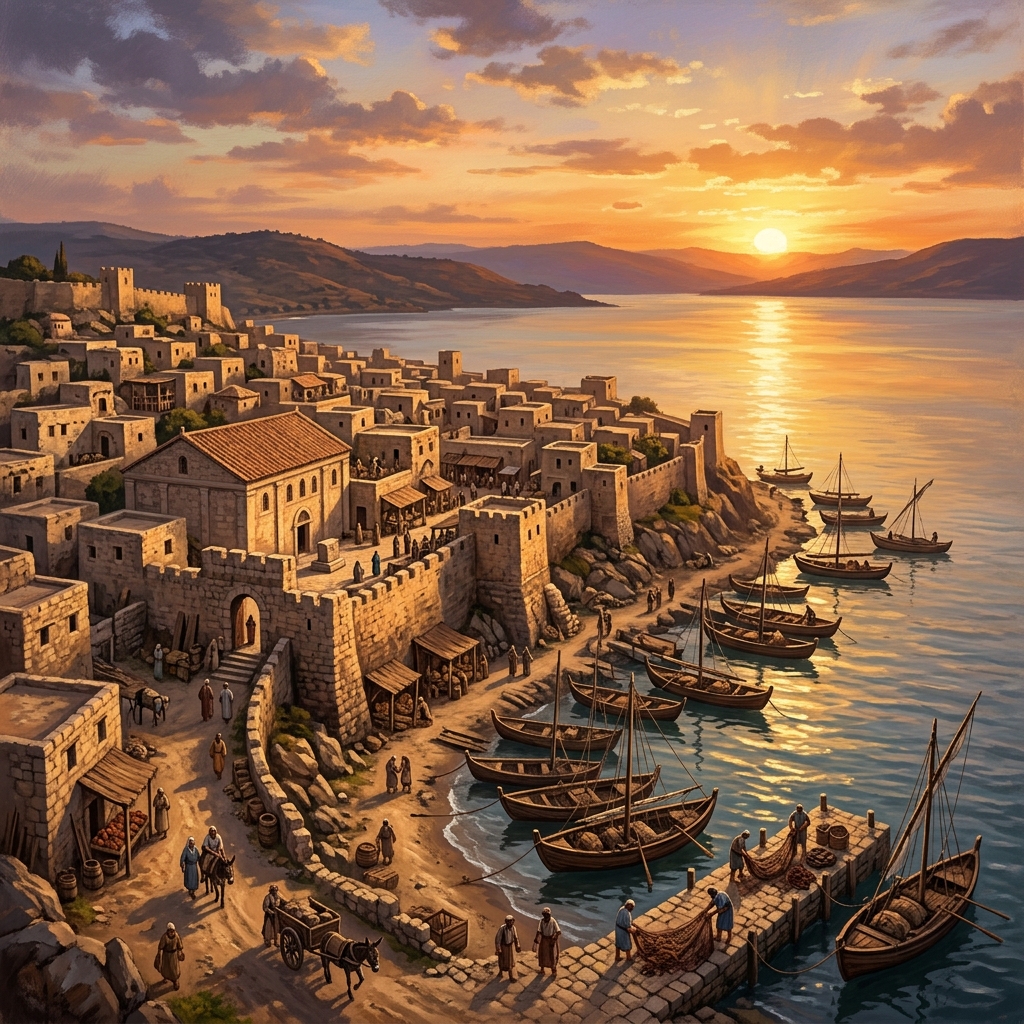
Why "Magdala" Matters: Funding the Kingdom
Mary Magdalene is one of the most famous figures in the New Testament, but her wealthy hometown holds the key to her actual role in the early church.
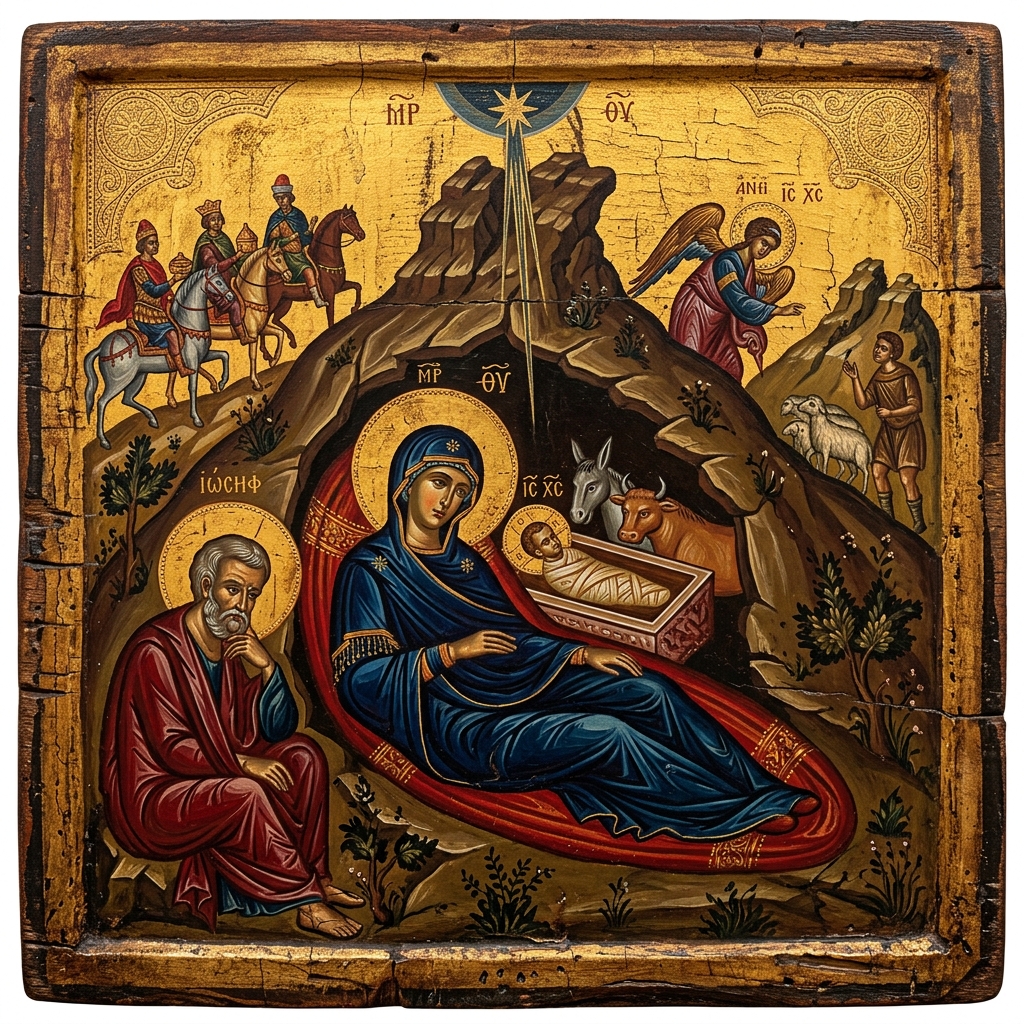
The Incarnation Was Not a Metaphor: Emmanuel in the 1st Century
Modern Christianity often reduces 'God with us' to a therapeutic comfort blanket. But in the Greco-Roman world, a deity dwelling in the dirt was a theological earthquake.
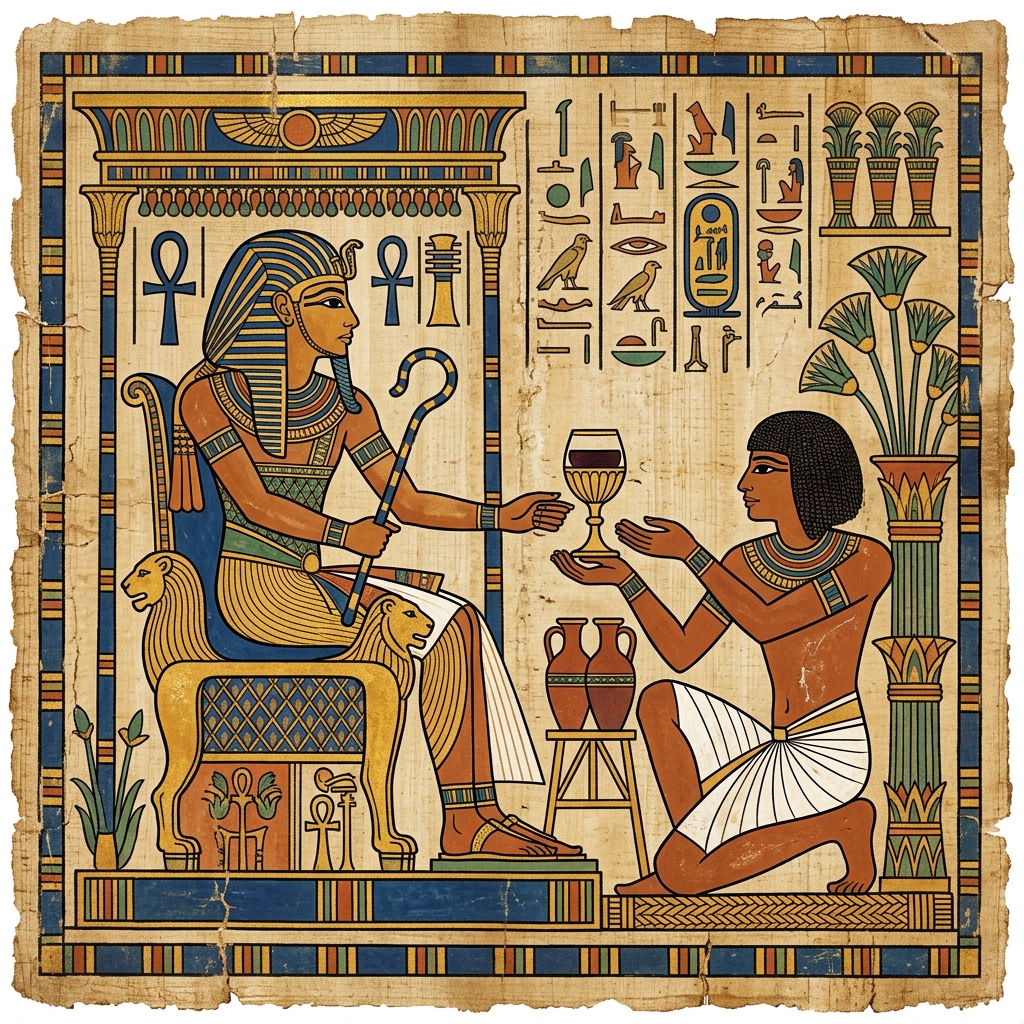
The Cupbearer: Politics and Providence in the Royal Court
The ancient cupbearer was not a glorified waiter; he was an immensely powerful political operative whose influence changed biblical history.
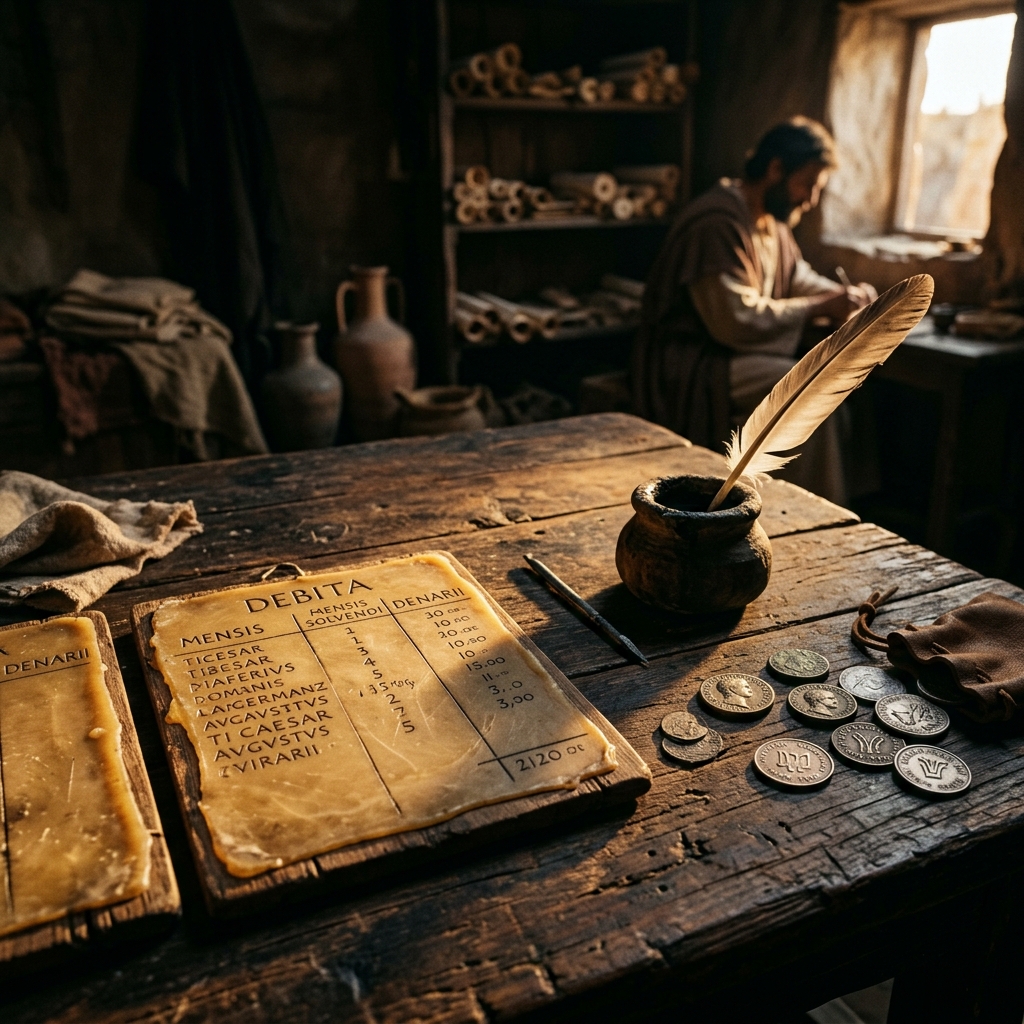
Imputation: The Marketplace Language of Justification
By using the language of ancient commercial ledgers, the Apostle Paul turned abstract theology into a practical, ironclad legal reality.
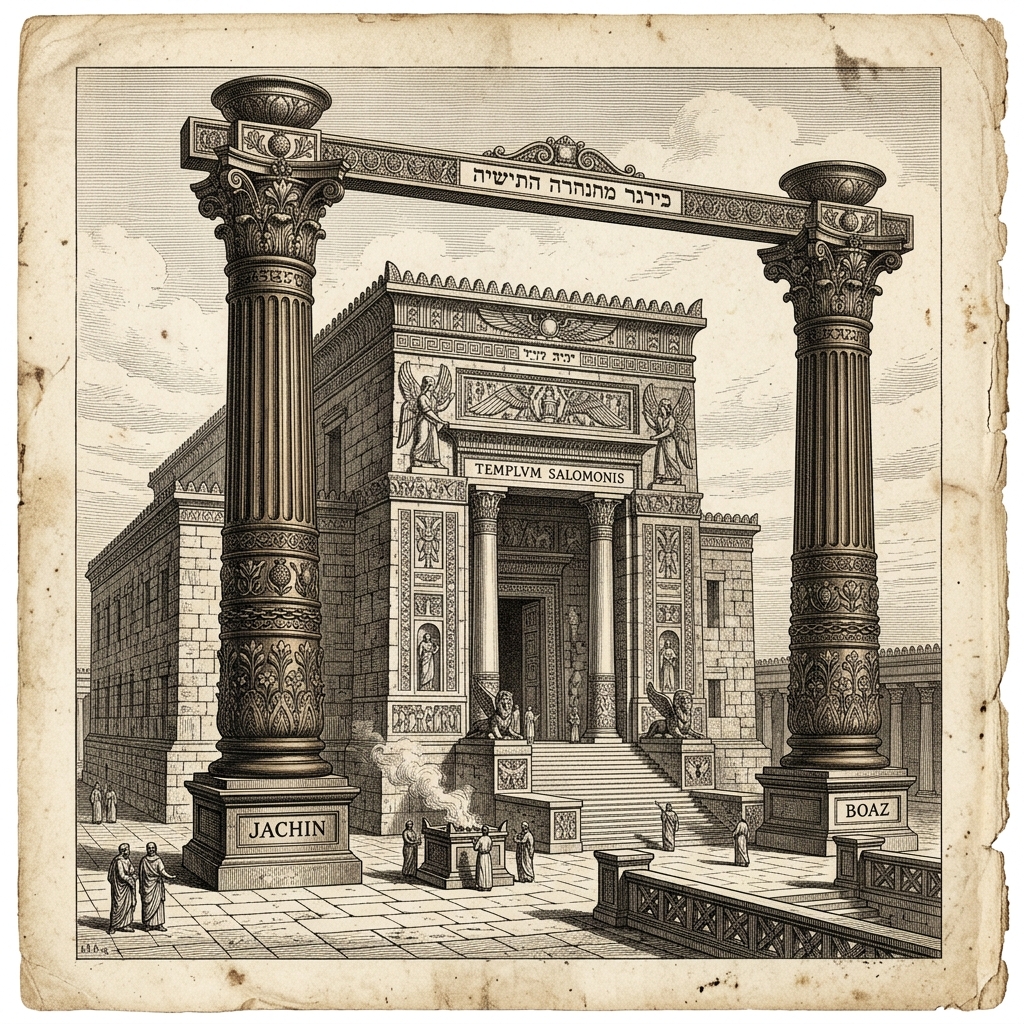
Jachin and Boaz: The Architecture of Divine Security
Solomon's bronze pillars were a permanent physical sermon against political tribalism and the illusion of human control.
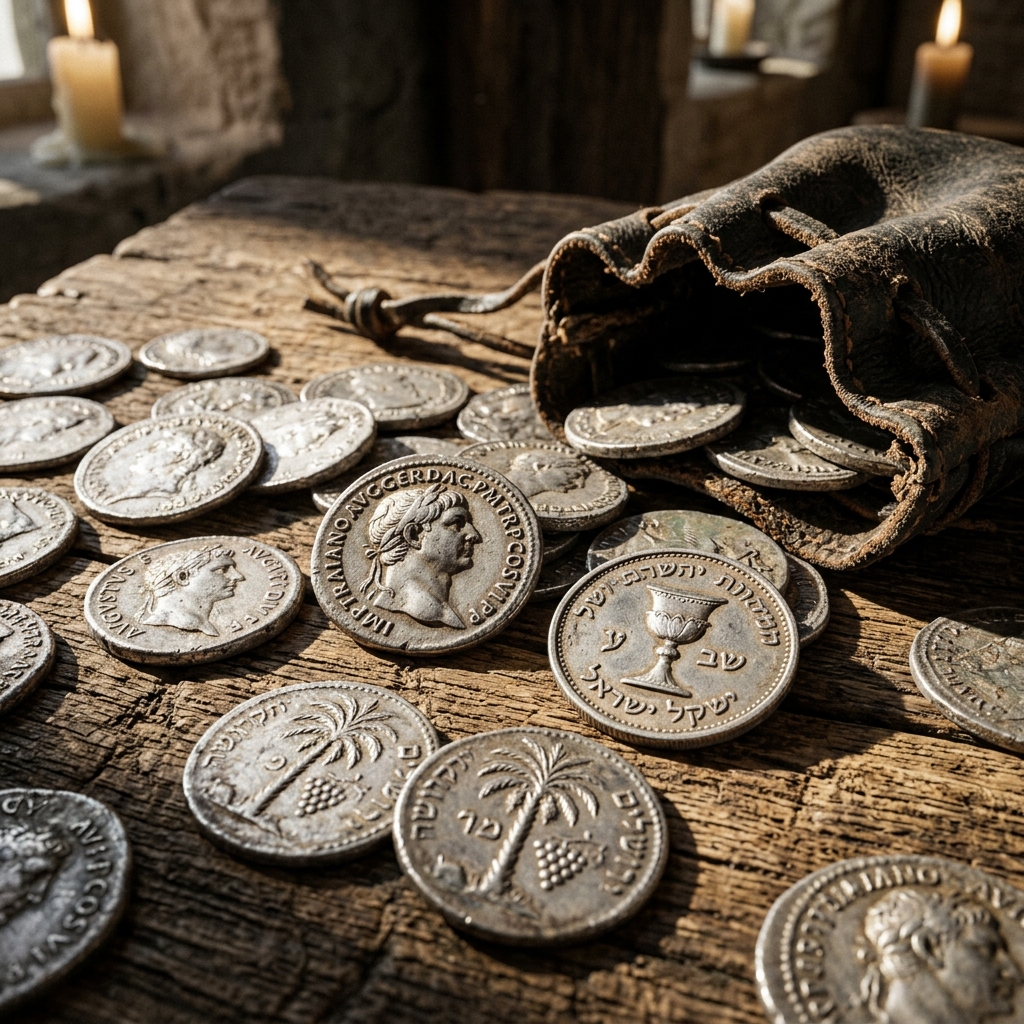
The Tribute Coin: Caesar's Metal and God's Image
Jesus' famous response about paying taxes wasn't just a clever dodge; it was a masterful navigation of a lethal political trap and a profound statement on human dignity.
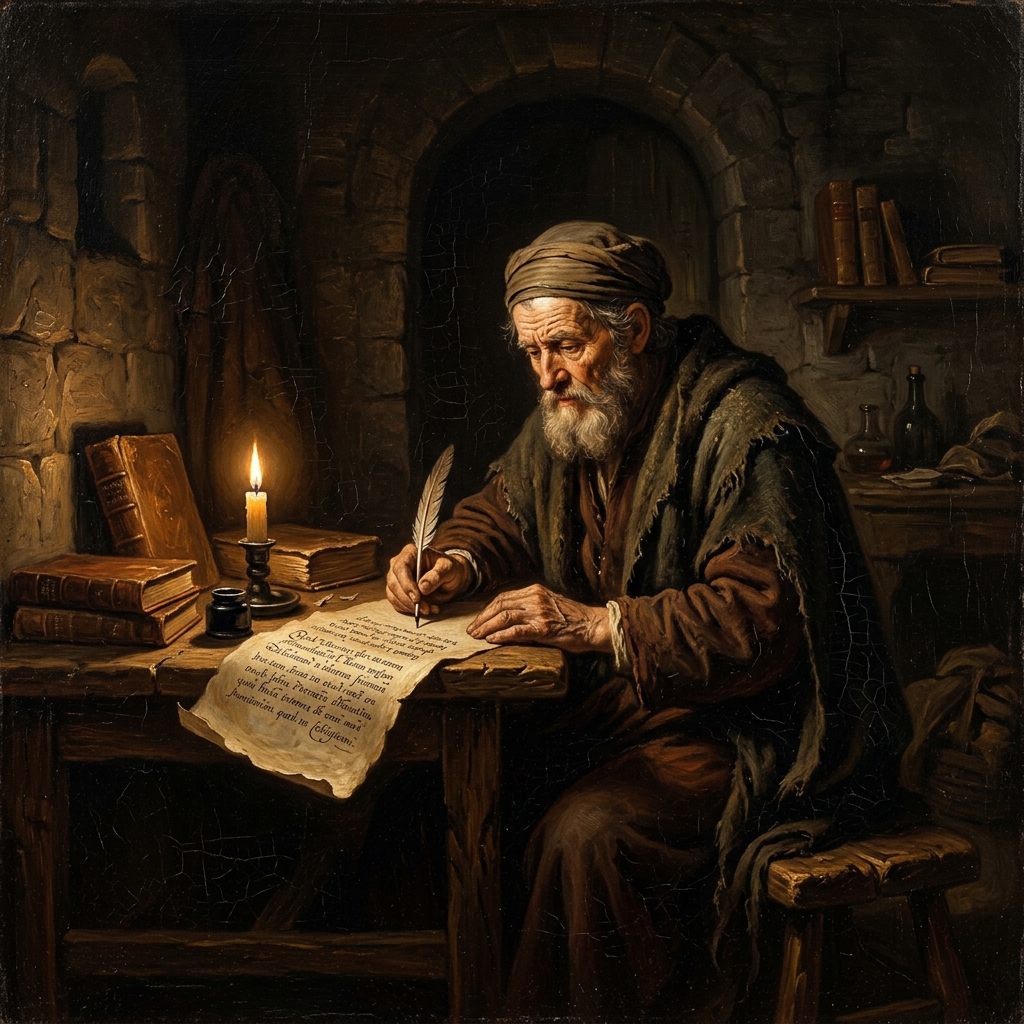
The Epistles: Reclaiming the Urgency of the Apostolic Letters
We treat the Epistles as dry theological reference manuals, completely forgetting the dangerous and expensive process required to deliver them.
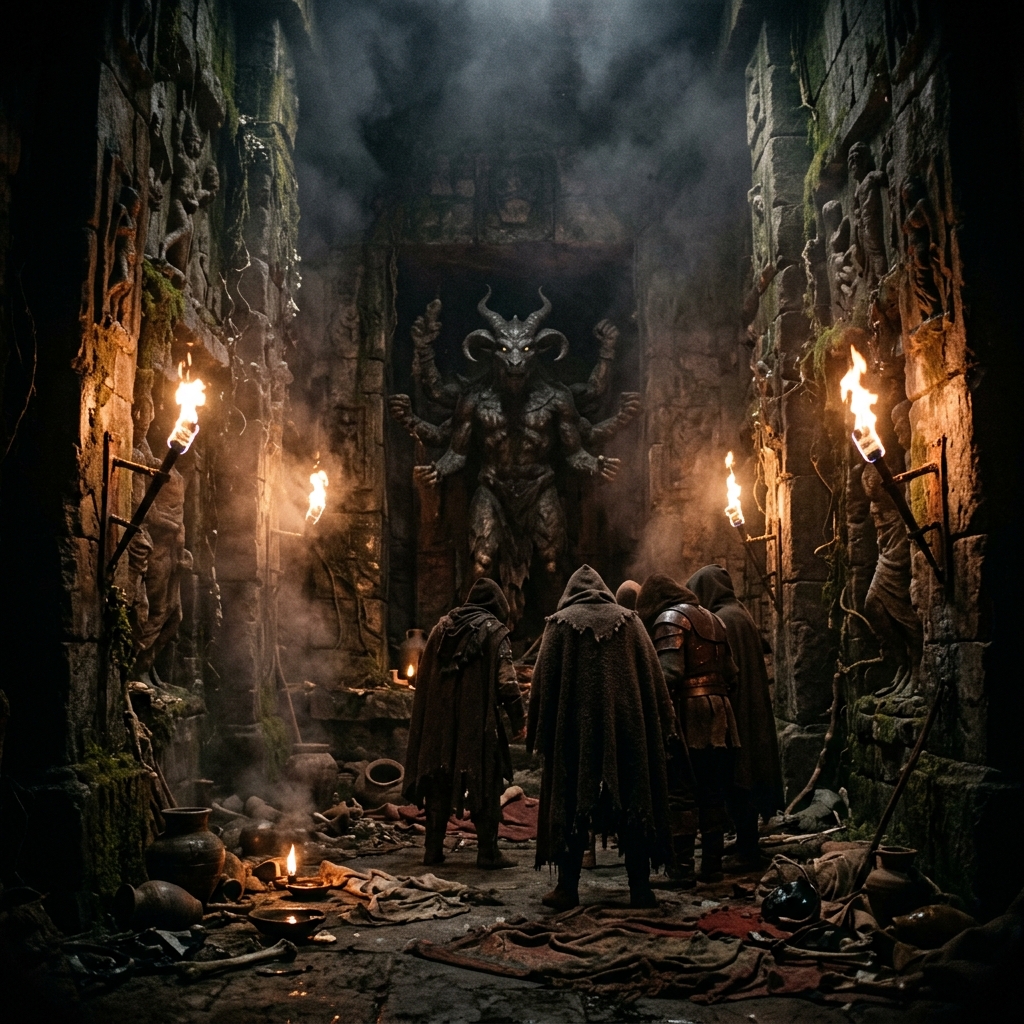
Reclaiming "Abomination": The Lost Art of Holy Distinction
We treat 'abomination' as a measure of extreme evil, but in ancient Israel, it was a sharp boundary line meant to keep God's people distinct from the surrounding culture.